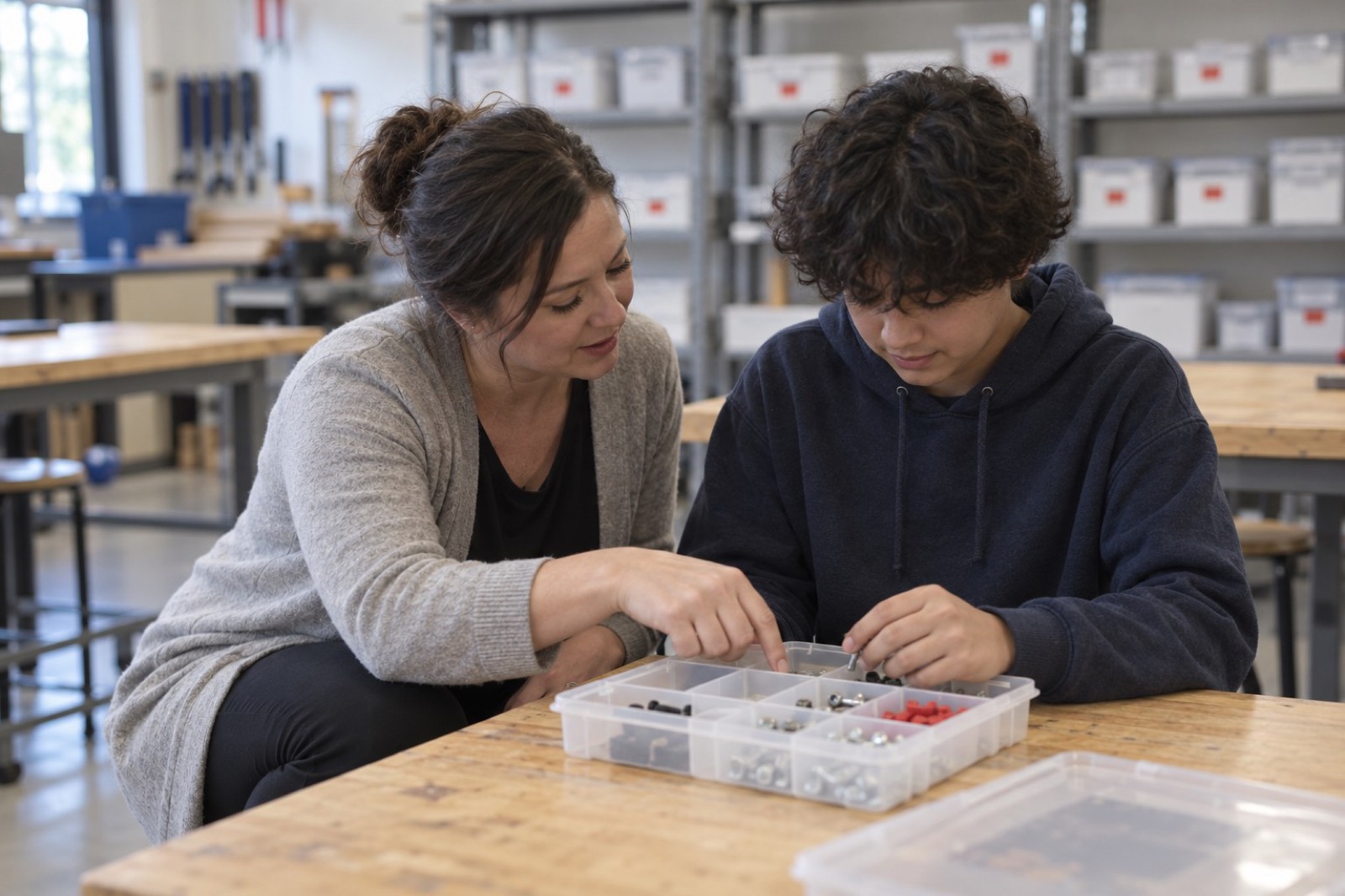
Students do real jobs. Supervisors score what they see. Your team gets evidence it can plan with.
The goal of PAES is to find out what a student can do on their own, with as little help as possible. Everything in the lab is built around that one question.
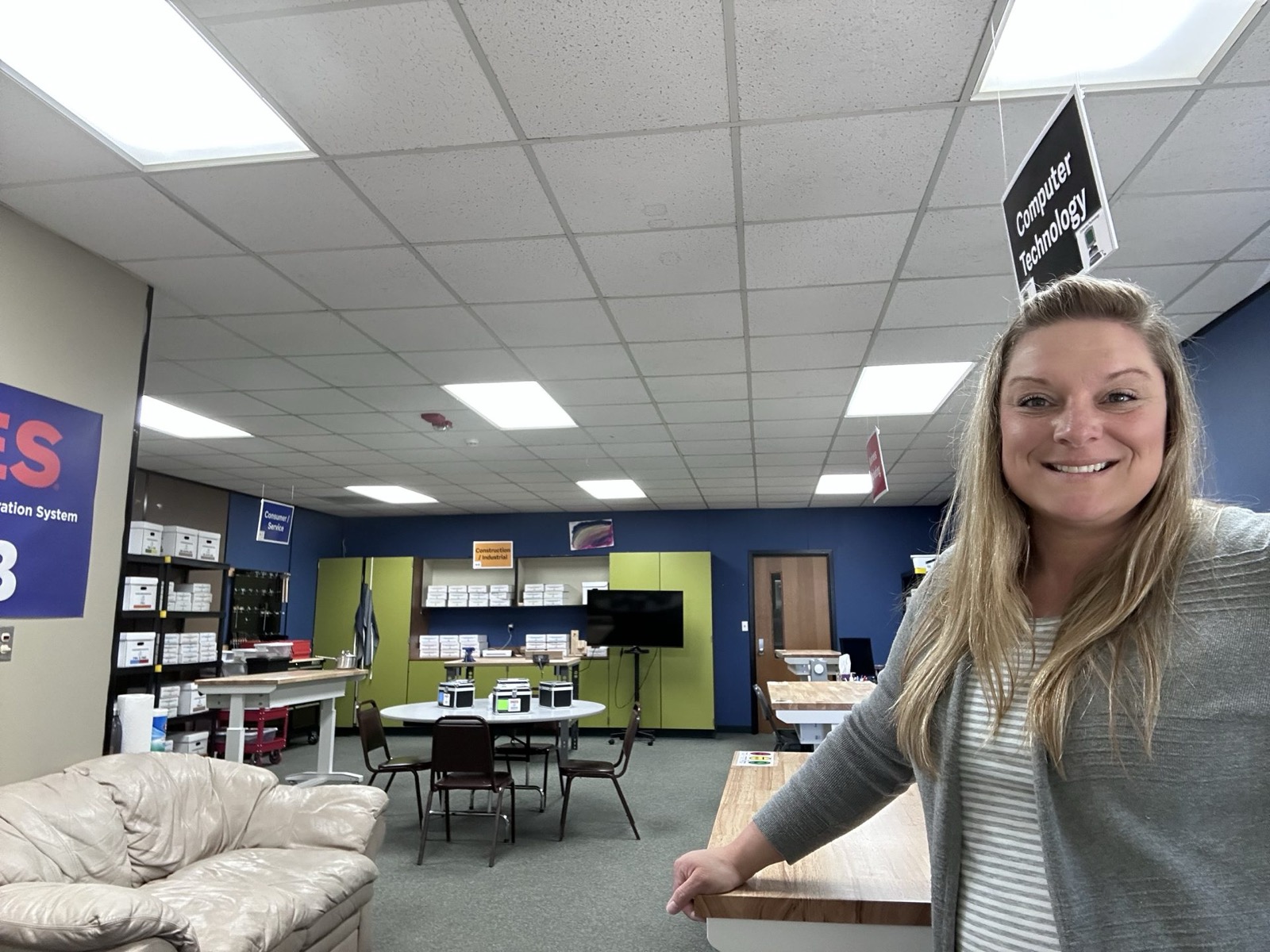
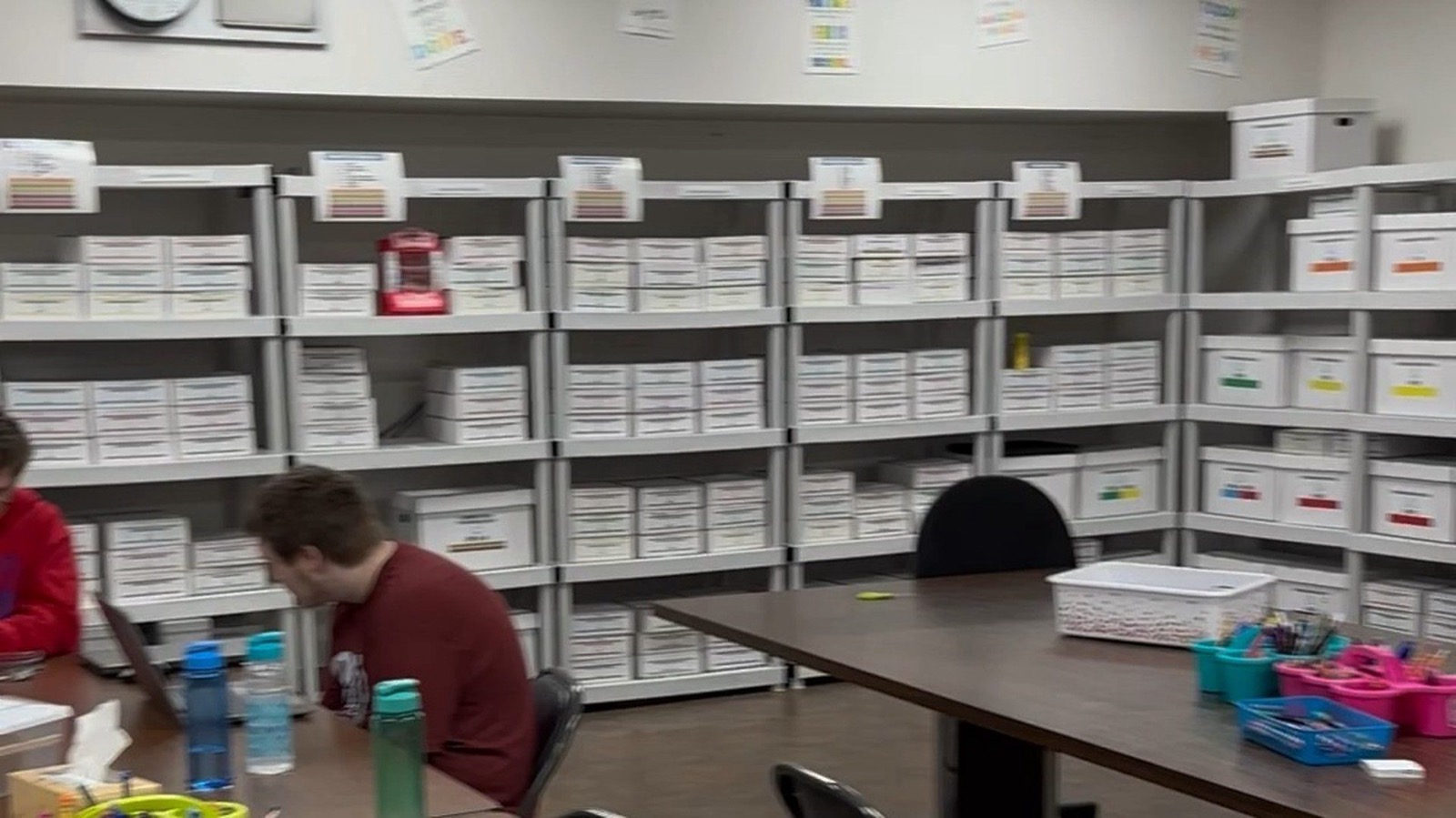
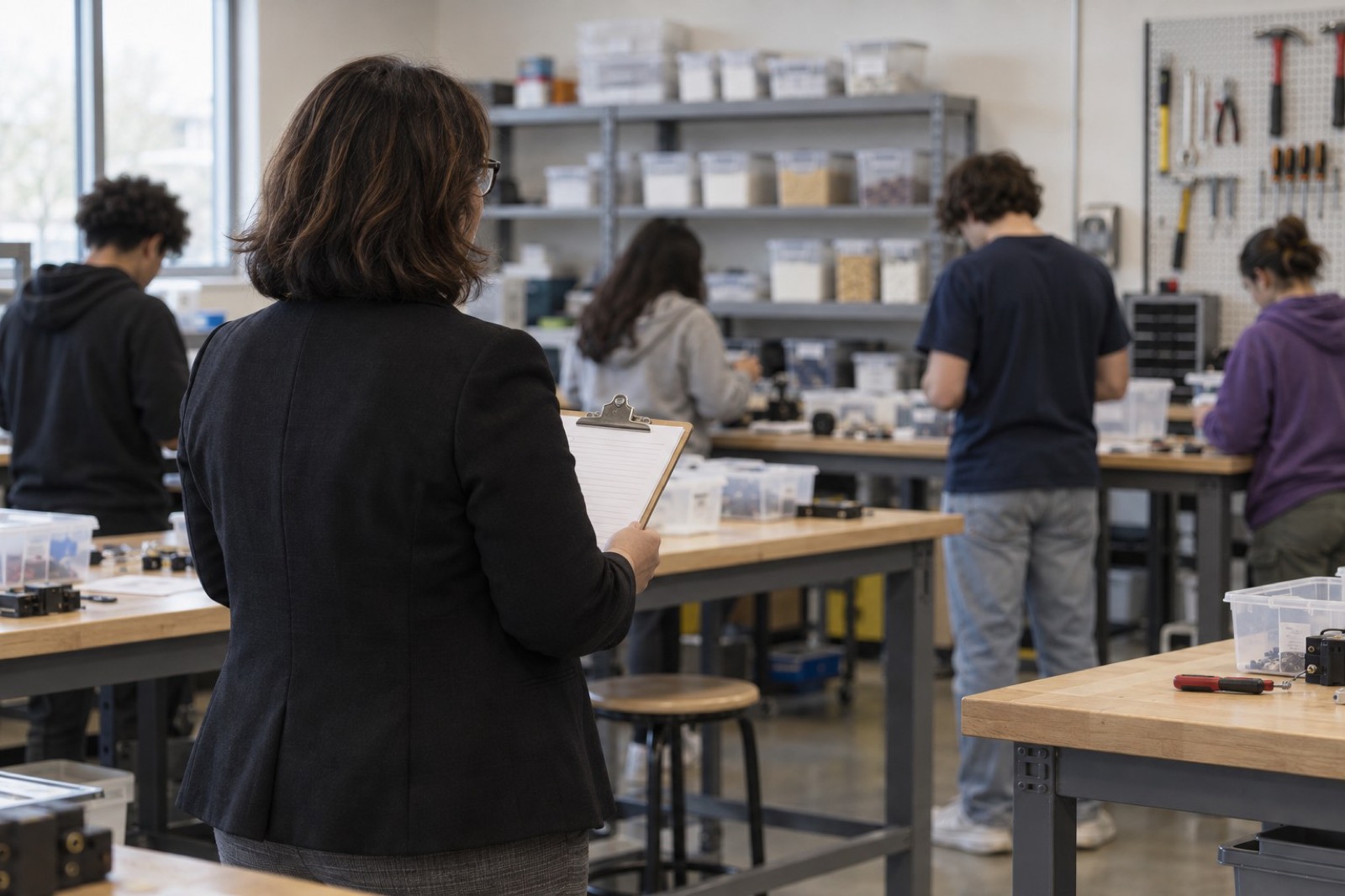
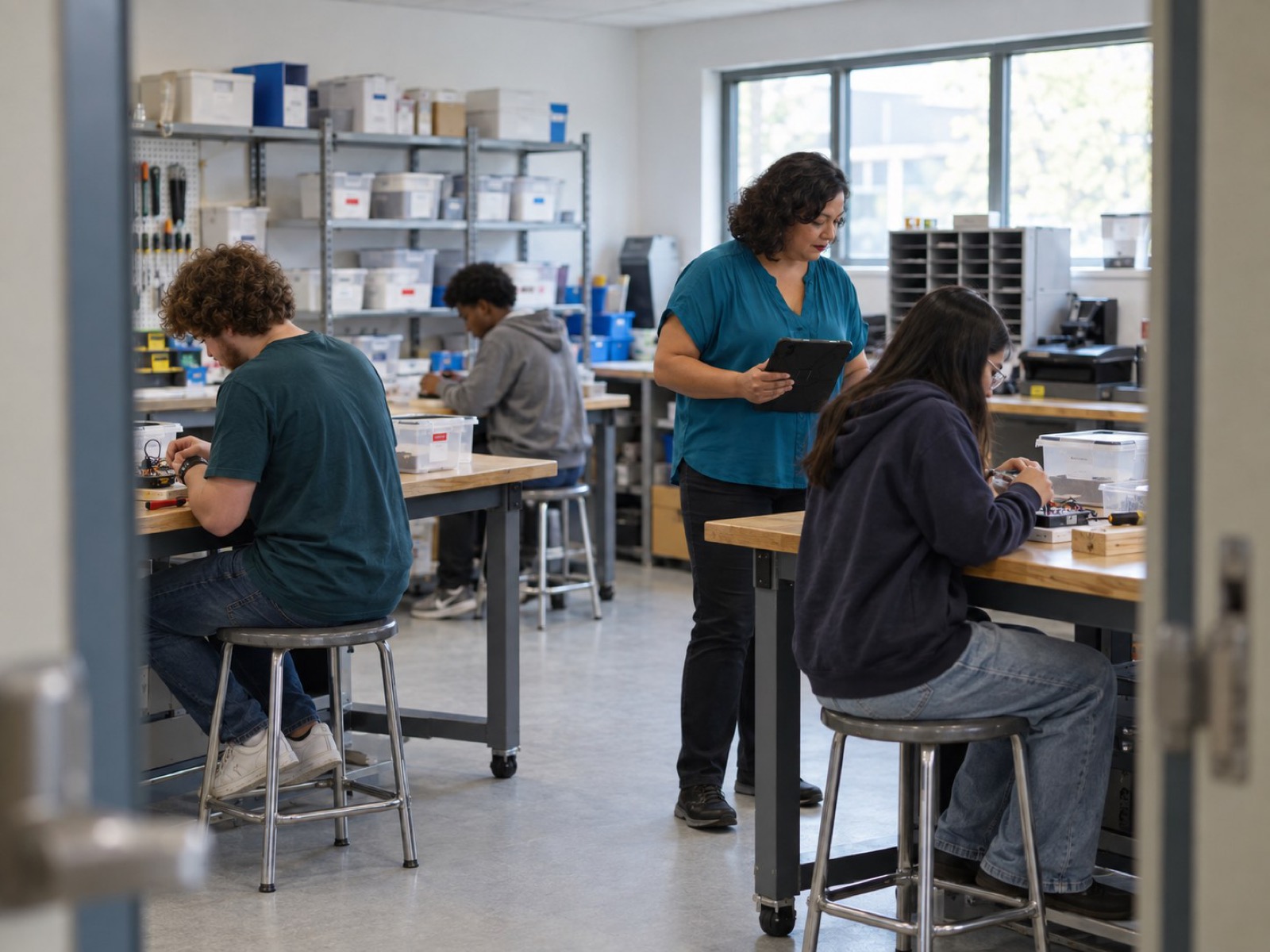
Five work areas, real tools and materials, laid out like a job site inside your building.
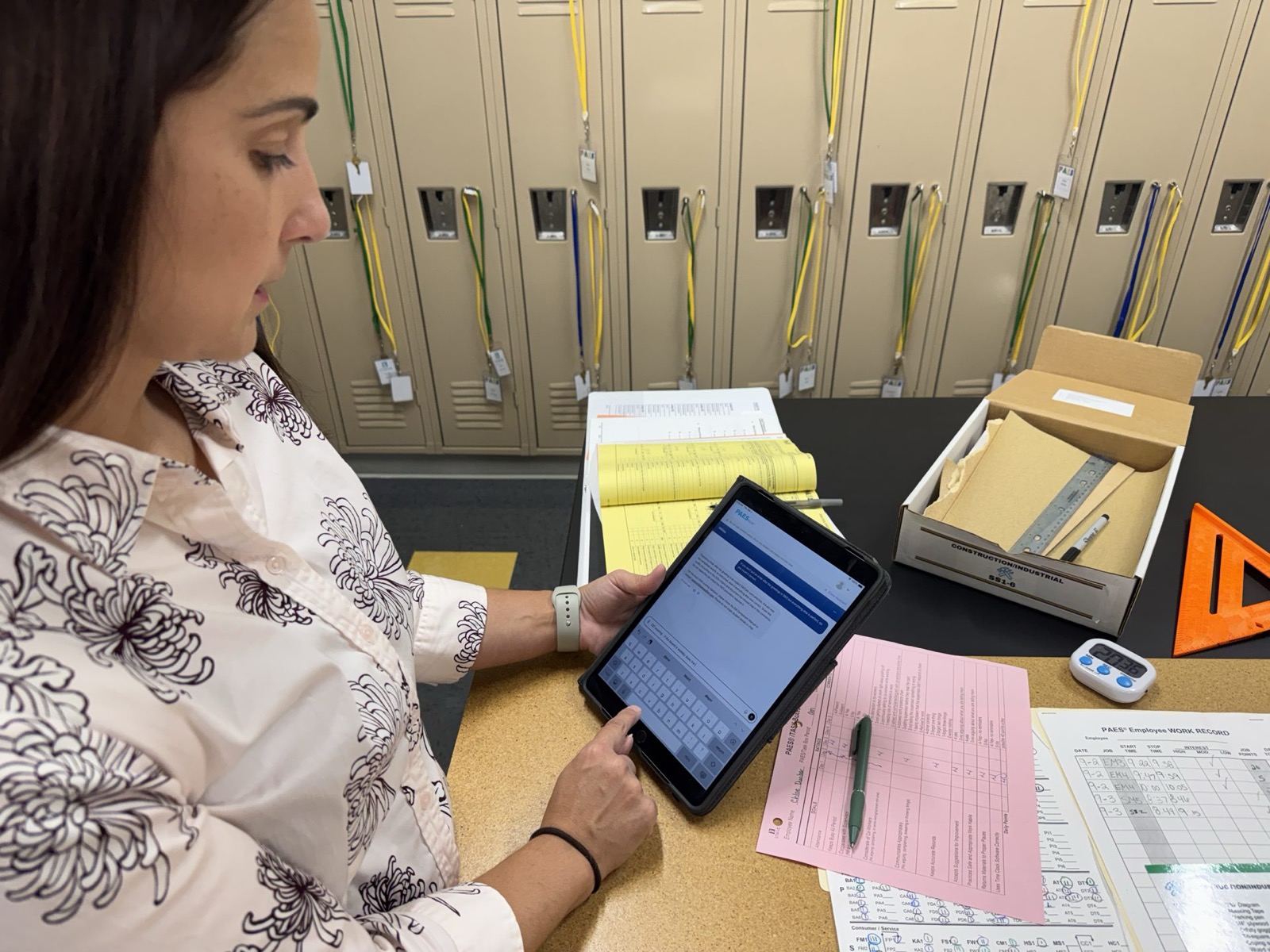
Each job is scored in PAES Scan on the spot: help needed, quality, rate and workplace behavior.
A report built from weeks of real work, ready to use in IEP goals and transition plans.
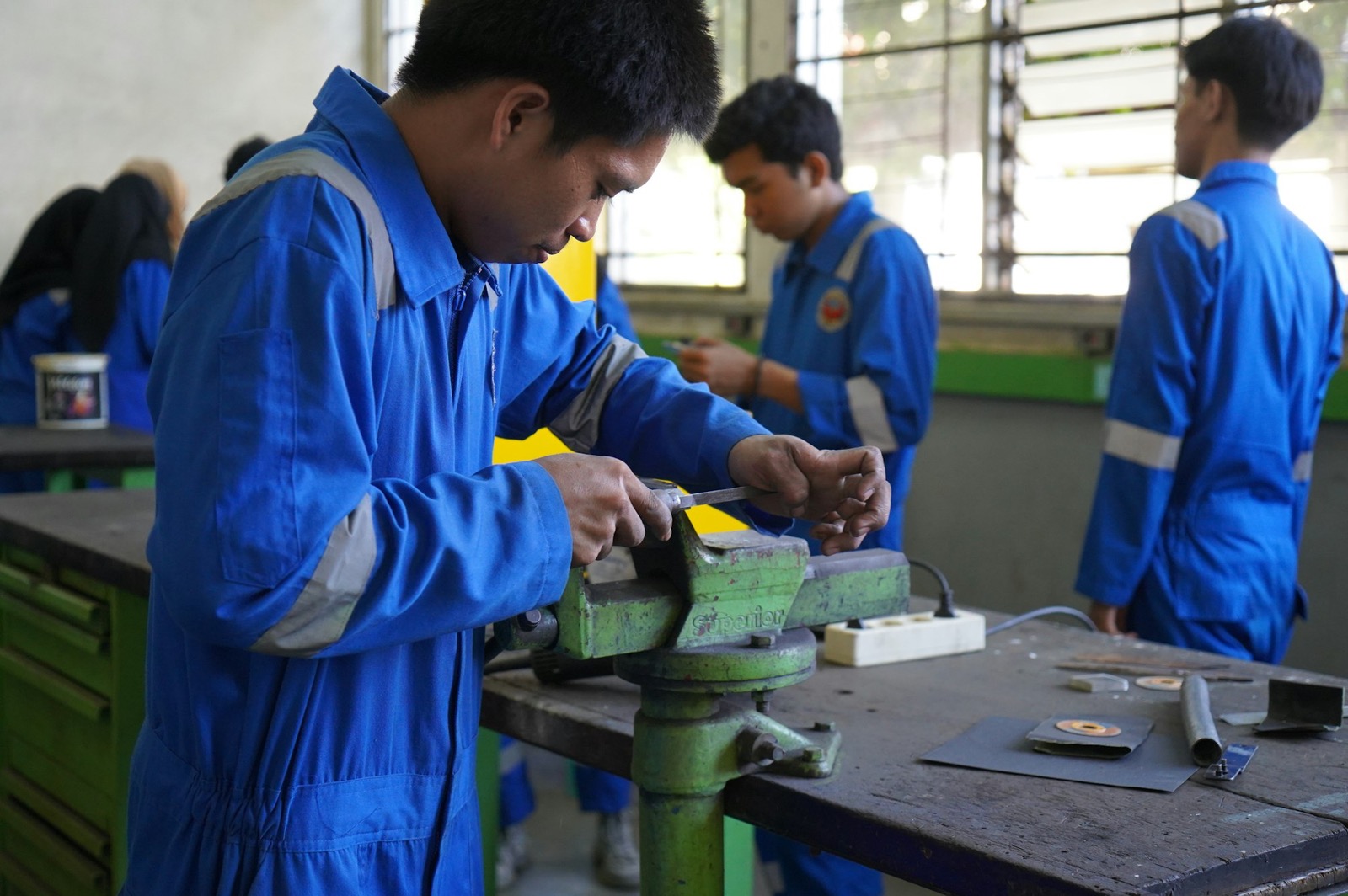
A worksheet tells you what a student knows. A job tells you what they can do.
Students rotate through all five areas, so you see how they handle many kinds of work, not just one. Every unit climbs from level 1 to level 6.

Office tasks, data entry, customer service, inventory.
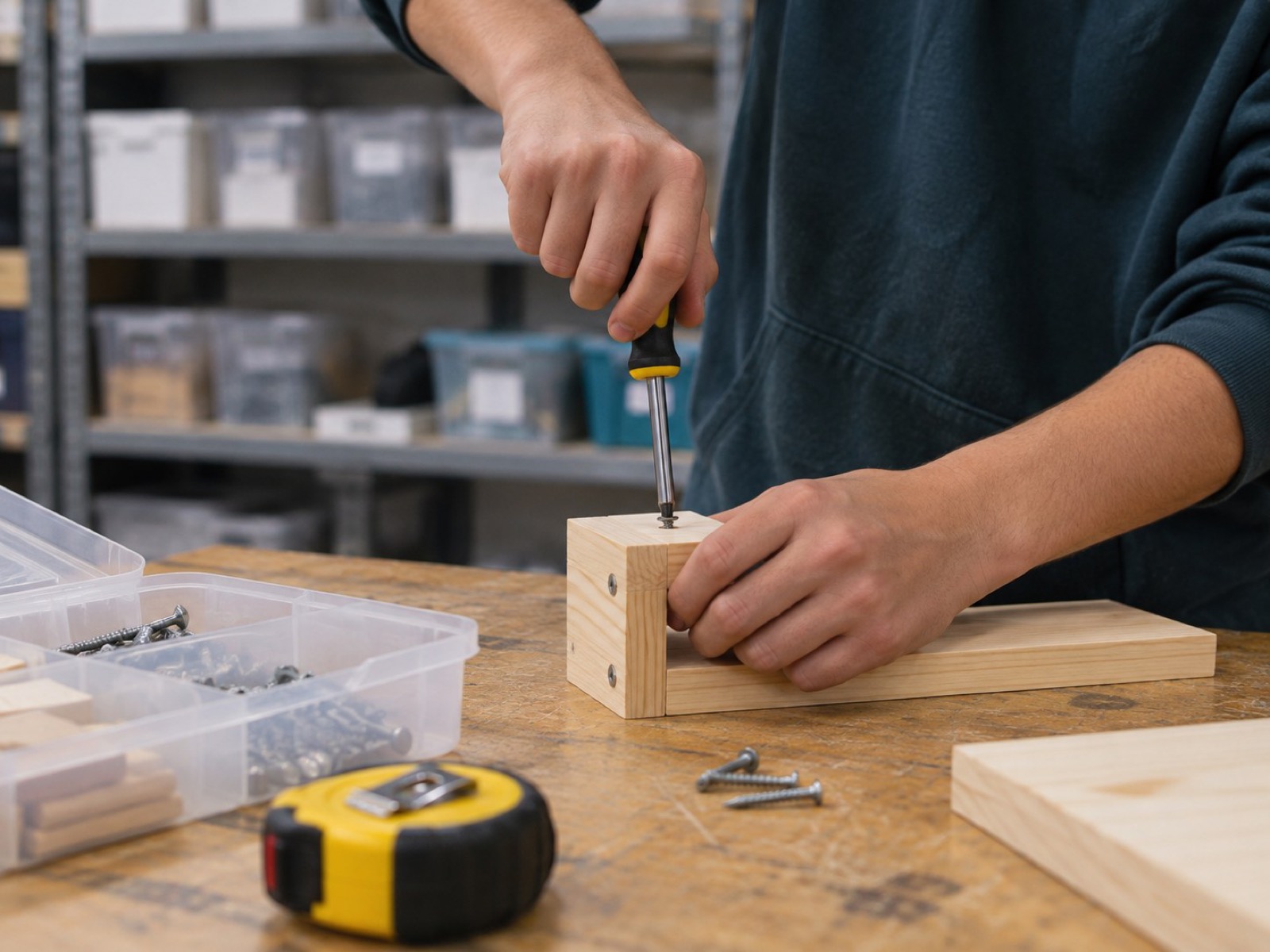
Hand tools, assembly, measuring, materials.

Food handling, hospitality, domestic services.
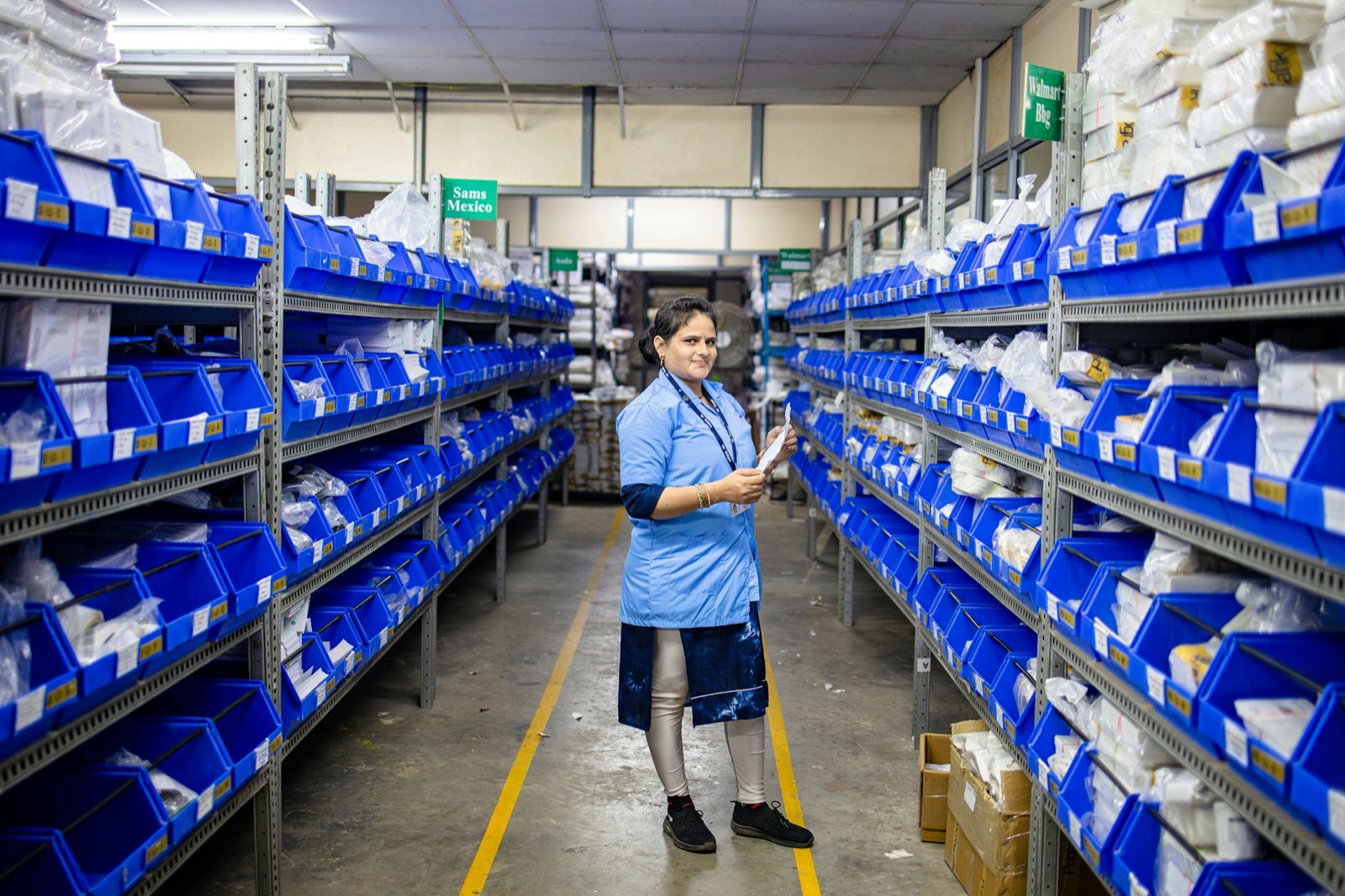
Packaging, sorting, quality control.

Keyboarding, software, basic IT.
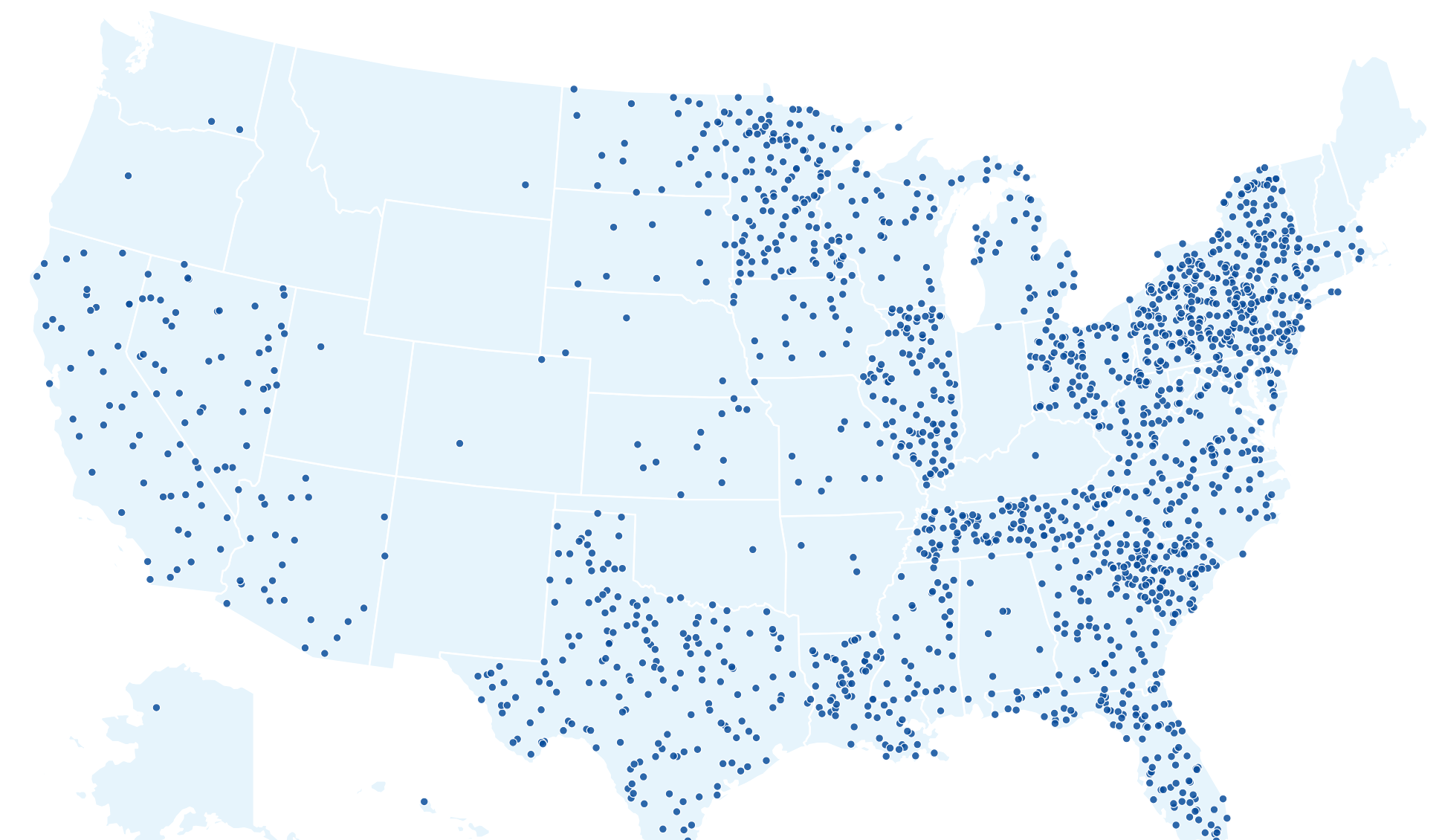
Districts, agencies and schools in more than 40 states use PAES to plan what comes next for their students.

The most data-driven assessment of student work potential, strengths and needs currently available for IEP development and transition planning.Laura Ramirez, School Psychologist, William S. Hart Union High School District, Santa Clarita, CA
Evidence for IEPs and transition plans.
Observed performance on real work, recorded consistently, for the meetings that decide life after school.
Special education
See who fits which pathway.
Hands-on results across five work areas to guide placement into CTE programs.
CTE programs
Job readiness you can see.
Job exploration and workplace readiness activities for agencies and their school partners.
Workforce & VR
"We never really know what a student can do until we give them a chance to try."
PAES began in Dr. Judith Swisher's classroom in Kansas. She wanted her students to show what they could do with their hands, not just on paper, and she tested the approach through her doctoral research at the University of Kansas. It is still a family company today.
Read the PAES story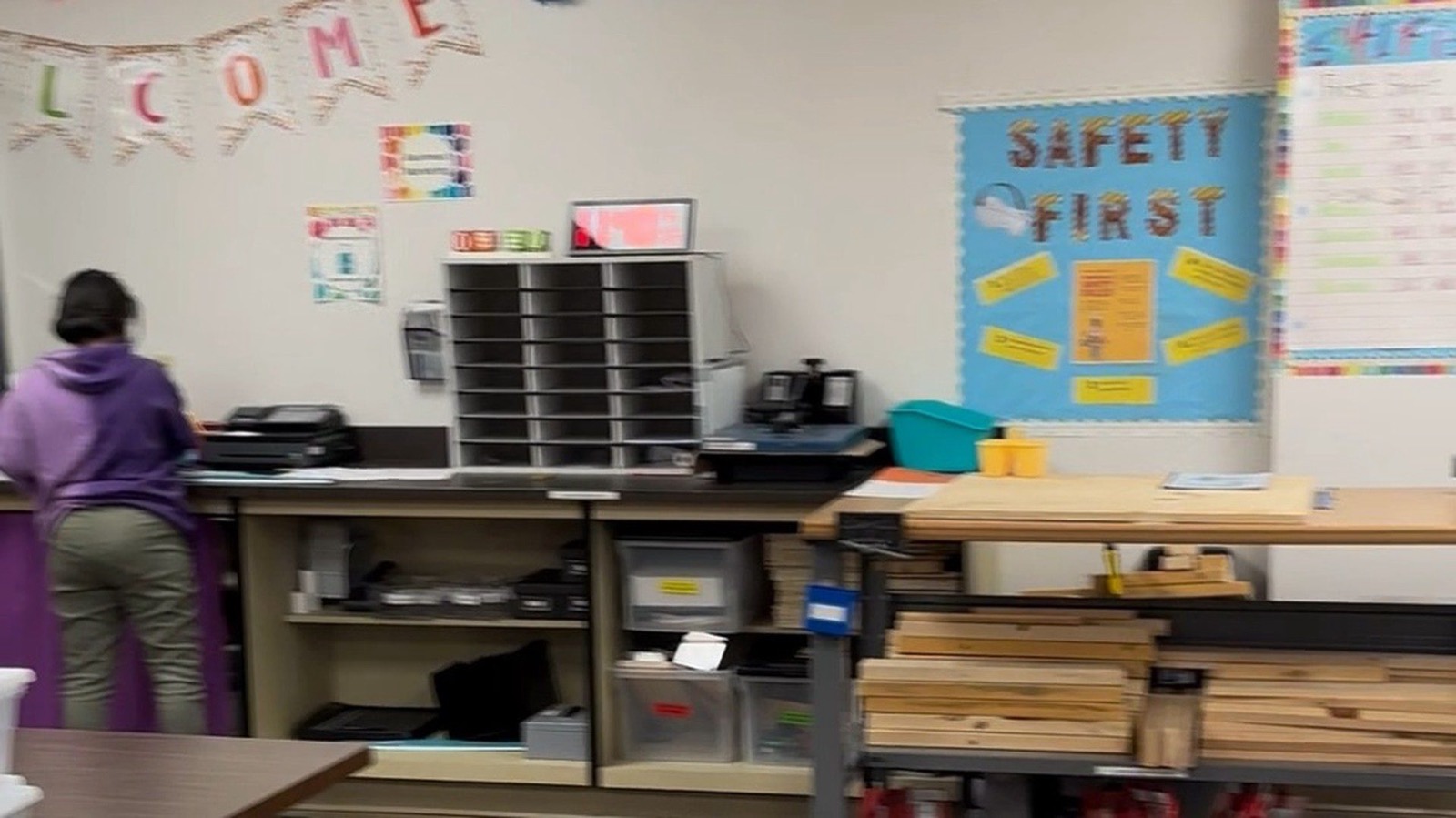
Talk to the regional rep who knows your state, get a quote, or see how other districts have funded their lab.